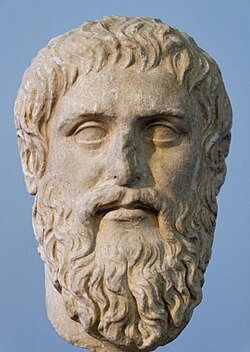
c. 429–347 BCE
Platon
Philosophical roots
His discussions of different aspects of the soul make internal conflict a philosophical problem.
Biography and works →People, questions and works that shaped different traditions in psychology.
25 figures in chronological order, with biographies, concepts, reading questions and selected works. This is a selected introduction, not a complete or global history of psychology.
25 profiles shown
No match. Try a shorter name or clear the filters.
c. 429–347 BCE
Philosophical roots
His discussions of different aspects of the soul make internal conflict a philosophical problem.
Biography and works →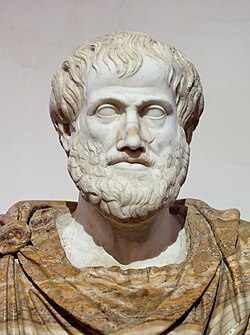
384–322 BCEHomepage
Philosophical roots
In On the Soul, he considered perception and mental capacities.
Biography and works →
1596–1650Homepage
Philosophical roots
His discussions of the certainty of thought and the bodily aspects of emotion belong to psychology’s philosophical background.
Biography and works →
1632–1677
Philosophical roots
He sought to understand emotions through their causes rather than as defects outside nature.
Biography and works →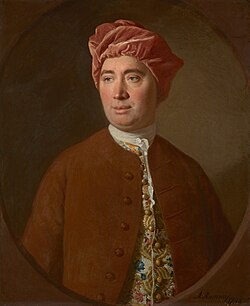
1711–1776
Philosophical roots
Impressions, ideas and association address how mental contents connect.
Biography and works →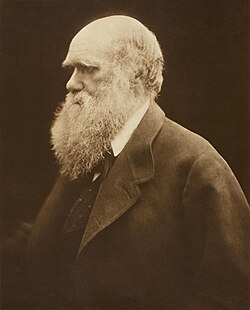
1809–1882
Evolution and emotion
His work connects emotion and behaviour with the history of living organisms.
Biography and works →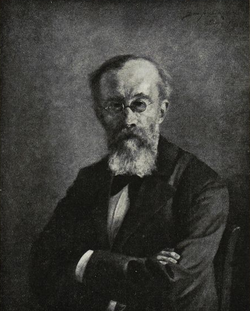
1832–1920Homepage
Experimental psychology
He represents the systematic observation and experimental study of mental processes.
Biography and works →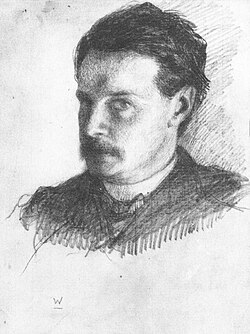
1842–1910
Functionalism
He represents attention to the functions of mental processes in life and adaptation.
Biography and works →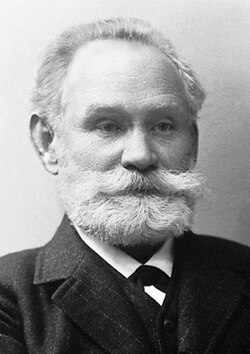
1849–1936
Learning and behaviour
His work helped establish the classical-conditioning tradition, examining how a stimulus gains significance through its relation to another event.
Biography and works →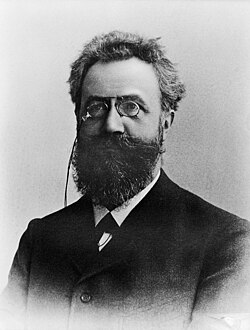
1850–1909
Memory and learning
The forgetting curve concerns change in retention over time.
Biography and works →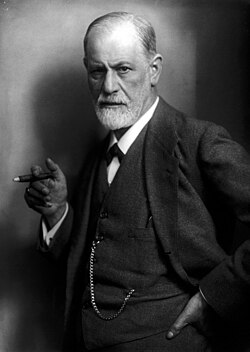
1856–1939Homepage
Psychoanalysis
He foregrounds questions about processes that may not be immediately apparent to a person.
Biography and works →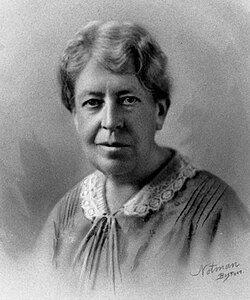
1863–1930
Memory and self
Her paired-associate work contributed to memory research, while self-psychology considered the subject who experiences.
Biography and works →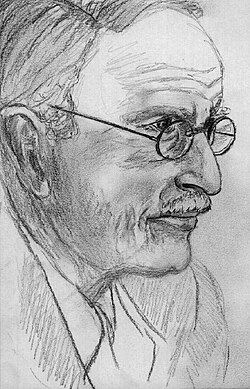
1875–1961
Analytical psychology
He introduces a different tradition of interpreting personality, symbols and self-understanding.
Biography and works →
1896–1980
Developmental psychology
He represents investigating children’s thinking rather than treating it simply as an incomplete copy of adult thought.
Biography and works →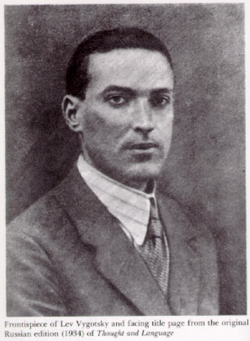
1896–1934
Development and culture
The zone of proximal development concerns the relationship between independent performance and performance with assistance.
Biography and works →
1897–1967
Personality and social relations
Trait approaches describe relatively consistent individual differences.
Biography and works →
1902–1987
Humanistic psychology
He represents the importance of empathy, relationship and understanding a person’s own direction.
Biography and works →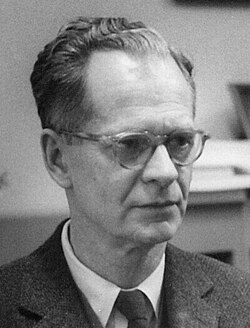
1904–1990Homepage
Learning and behaviour
He represents asking under what conditions behaviour continues and how it relates to its consequences.
Biography and works →1907–1990
Attachment and development
Proximity seeking, caregiver availability and separation are considered together.
Biography and works →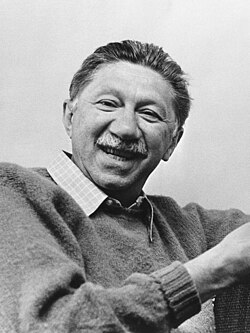
1908–1970
Humanistic psychology
Priorities among needs and self-actualisation are familiar concepts.
Biography and works →1913–1999
Development and attachment
She represents the systematic observation of close relationships and the investigation of attachment patterns.
Biography and works →1917–1983
Social and developmental psychology
She illustrates psychology’s study of social conditions and inequality, bringing children’s experiences into view alongside their environment.
Biography and works →1921–2021Homepage
Cognitive approaches
He represents investigating interpretations within relationships between thoughts, feelings and behaviour.
Biography and works →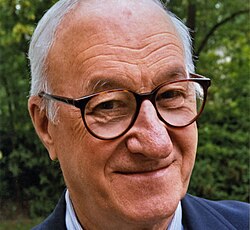
1925–2021
Social learning
He represents research into learning by observing others as well as through direct consequences.
Biography and works →1941–2011Homepage
Addiction and recovery
He represents understanding behaviour in context and reconsidering difficulties during recovery.
Biography and works →